




In a traditional strategy board game, your power is measured strictly by the number of units on a territory. If you have the bigger stack, you usually win. Wartime Glory changes that dynamic through the Card System.
Cards aren't just "power-ups"; they are tactical variables that force you to account for the unknown. They transform the game from a simple numbers game into a battle of resource management and timing.
1. Breaking the Stalemate: The Blitzkrieg & Air Strike
We’ve all been there: two massive armies sitting on a border, neither side wanting to blink first. In a game without cards, this is where the momentum dies.
The Blitzkrieg: This card allows for extra attacks or troop transfers in a single turn. It’s designed to reward players who spot a momentary weakness in an opponent's line and want to exploit it before they can reinforce. The Air Strike: By dealing direct damage to adjacent territories, the Air Strike allows you to soften a "doom stack" without committing your own ground troops. It’s a tool for attrition, forcing your opponent to spend energy or reinforcements just to maintain their status quo. 2. Defensive Nuance: Bunkers & Blockades
Defense in Wartime Glory isn't passive. If you know an attack is coming, you have tools to change the math of the engagement.
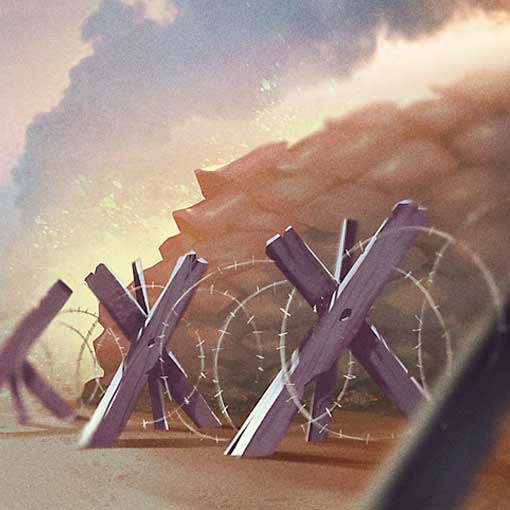
The Bunker: Unlike a standard troop, the Bunker acts as a shield. It absorbs damage from air attacks, artillery, and rockets, protecting your core army. It’s the ultimate counter to a player who relies too heavily on long-range bombardment. The Blockade: This is your "emergency brake." It protects a territory from ground attacks for a full turn, giving you the breathing room to reorganize or wait for an ally’s support in 2v2 matches.
3. The Utility Layer: Air Transport & Sabotage
The most dangerous players aren't always the ones with the most aggressive cards; they’re the ones who control the flow of the map.
Air Transport: Movement is often more valuable than raw power. Being able to shift troops between any two allied territories instantly can turn a back-line reserve into a front-line invasion force in a single turn. Sabotage: By diminishing enemy supply lines, you aren't just winning one battle—you’re hampering their ability to recover for the next turn. It’s a long-term tactical play that pays off in the mid-game.
Why this matters for the Meta
In a no-RNG environment, cards provide the "X-factor." Since you can’t blame a bad dice roll, you have to blame your failure to anticipate a Paratrooper drop or a Comm Hijack.
Energy is a finite resource. Choosing whether to save up for an Atomic Bomb or spend smaller amounts on constant Reinforcements is the core decision-making process that separates a General from a casual player.